Client : Cheshire Peaks and Plains

Time flies when you’re having fun!
That’s not the kind of feedback you usually expect from a session on data governance.
The Challenge
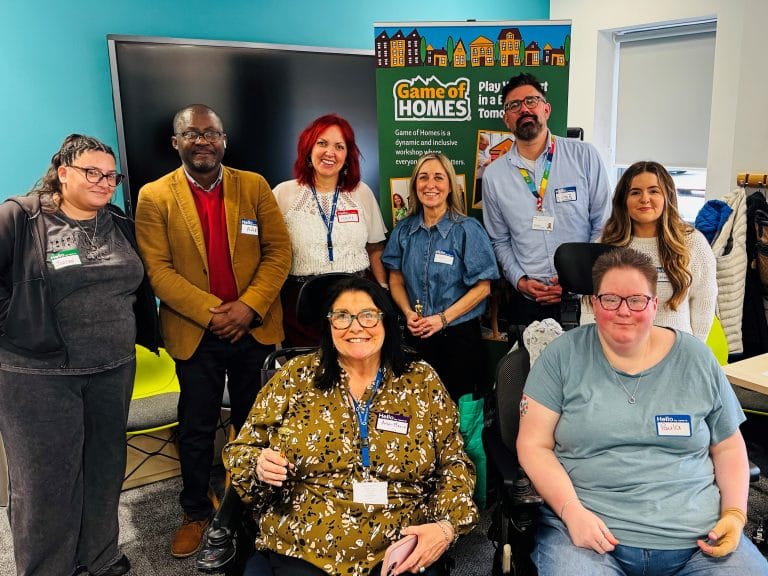
Peaks & Plains Housing Trust recently brought Game of Homes to explore a crucial question a diverse group: residents, staff, board members, and leaders, to ask:
How can Peaks & Plains build an open and honest relationship with you, our customers, where your feedback influences our services, you hold us to account, and you feel truly heard and valued every time we interact?
At the heart of the workshop were three big themes: communication, culture, and data. The last one, data, usually makes people’s eyes glaze over. But on the day, it sparked some of the richest conversations.
Why Does Data Matter?
It’s easy to see data as something that belongs in back-office systems and compliance reports. But the Game of Homes approach helped everyone – from tenants to board members – reframe what data really is: stories, needs, patterns, and insight.
We asked:
- Who lives in our homes?
- What are their lives really like?
- How does what we collect – or fail to collect – shape the services we offer?
What came through loud and clear was that data isn’t just for regulators. It’s for residents too. It’s about using information to improve services, get things right first time, and ensure everyone is treated fairly.
Feedback from participants
- “An entertaining way of tackling a serious subject. Great collaborative methodology.”
- “Lively, entertaining, informative, and high levels of collaboration! In fact, nothing short of brilliant!”
- “Really good way of connecting Board and customers”
When residents understand how their data is used – and have a voice in shaping what gets collected – we move towards true collaboration.
Innovation and Improvement
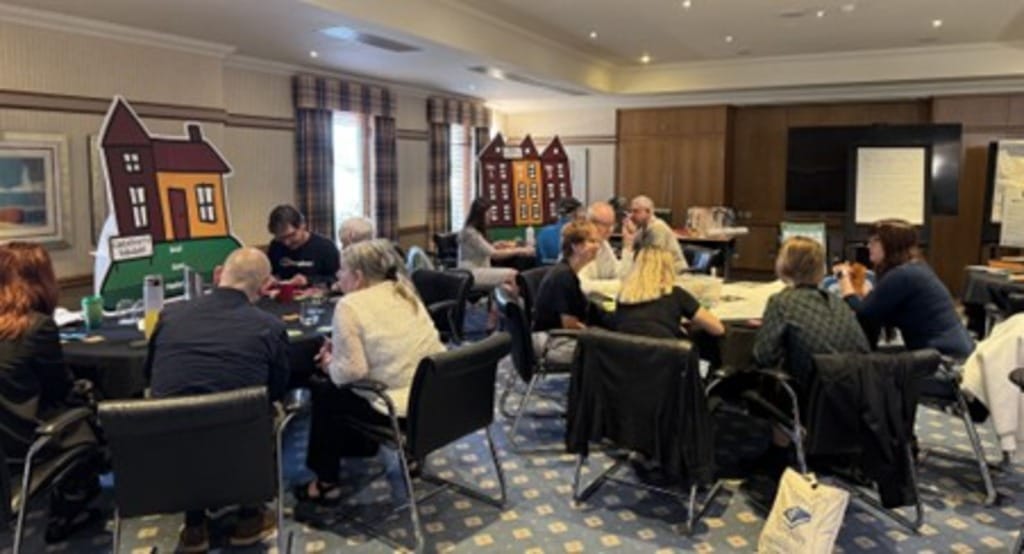
Game of Homes can be used by for tenant engagement or colleague engagement. This includes Innovation and Improvement
When standard approaches stall, this dynamic workshop helps teams find new ways forward. Combining design thinking, creative facilitation and problem-solving techniques, this session helps teams unpick complex processes and co-design practical, innovative solutions tailored to their context. It can also be used for system and application requirements gathering.