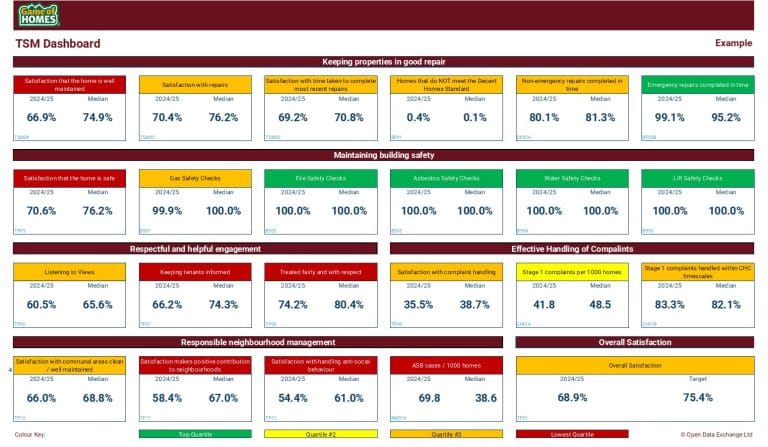
Since the introduction of Tenant Satisfaction Measures (TSMs), housing providers have gained access to a valuable new set of data. We can benchmark performance, track trends, and identify where improvements are needed most.
As well as basic scores, most organisations are utilising free text responses in an attempt to get to the heart of the matter.
And that’s great. But is it enough? I’m not sure it is.
TSMs give us structure, consistency, and a shared language around satisfaction. But they’re only part of the picture. Think of them as the edge pieces of a jigsaw; they help frame what’s going on, but they don’t show the full image.
As Helen Edwards from the Department of Local Government and Communities puts it, “data doesn’t give you answers, it gives you more questions.” TSMs don’t just raise questions, they help us ask better ones. But if we treat them as the final answer, we risk missing the point entirely.
It’s easy, especially as experienced housing professionals, to assume we can interpret survey results and jump straight to solutions. But our perspective has limits. Unless we’re living the resident experience day to day, there will always be gaps in our understanding.
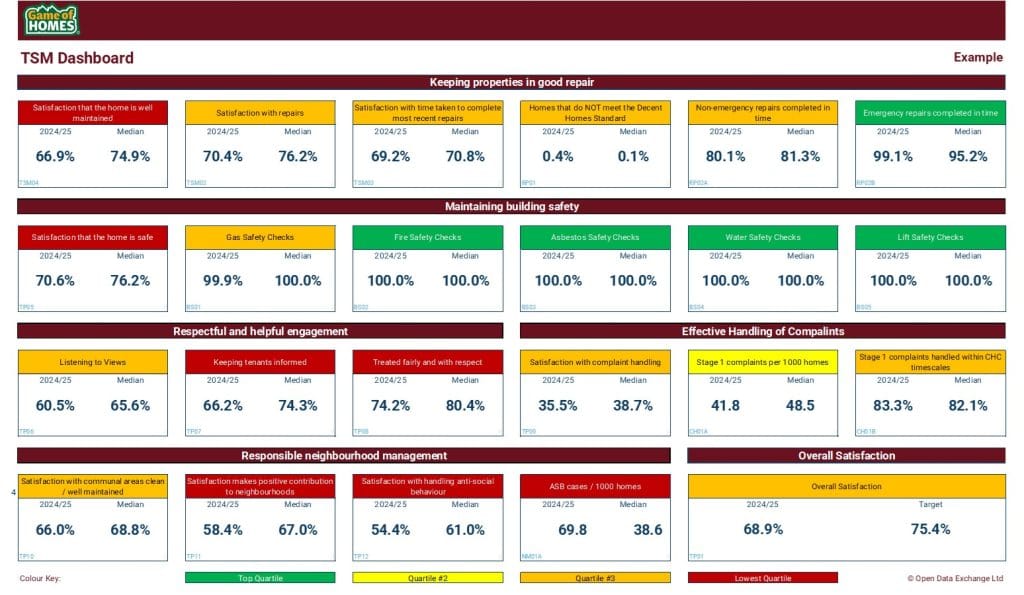
So how do we complete the jigsaw?
We go further. We ask more. We listen better.
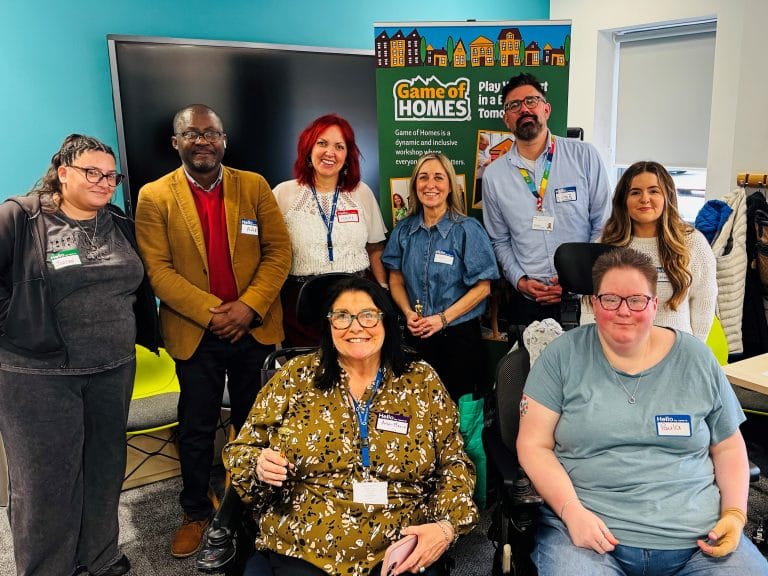
That might mean spending more time in communities, creating space for open conversations, or bringing residents together to explore findings in depth. This is where real insight begins.
Game of Homes is designed to do exactly that. It turns TSM data into meaningful conversation and action. Using behavioural psychology techniques, it brings people together in a structured but flexible way, encouraging honest discussion, fresh thinking, and unexpected insights.
When residents move from ticking boxes to having real conversations, something shifts. We get closer to the root causes, not just the symptoms. And that leads to solutions that are more effective, more sustainable, and genuinely co-created.
TSMs are a powerful starting point but they’re not the finished article. If we want to create services that truly work for residents, we need to move beyond measurement and into meaningful engagement.
Because better questions don’t just lead to better answers, they lead to better homes